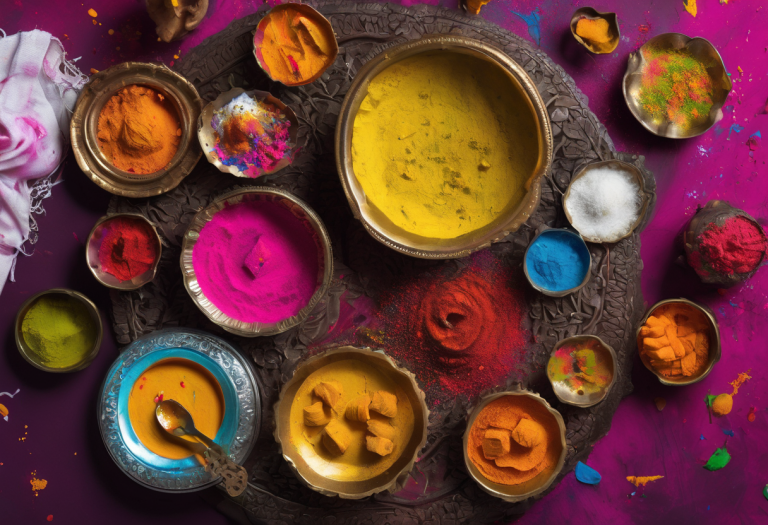
Holi, also known as the festival of colors, is a major Hindu festival celebrated in Nepal and other parts of India and South Asia. This vibrant and lively festival usually falls in the month of March and is a time of great joy and excitement for the Nepalese people. The origins of Holi can be traced back to Hindu mythology, with different stories and beliefs associated with its celebration. However, the most popular and well-known story is that of Prahlad and his aunt Holika, which signifies the triumph of good over evil.
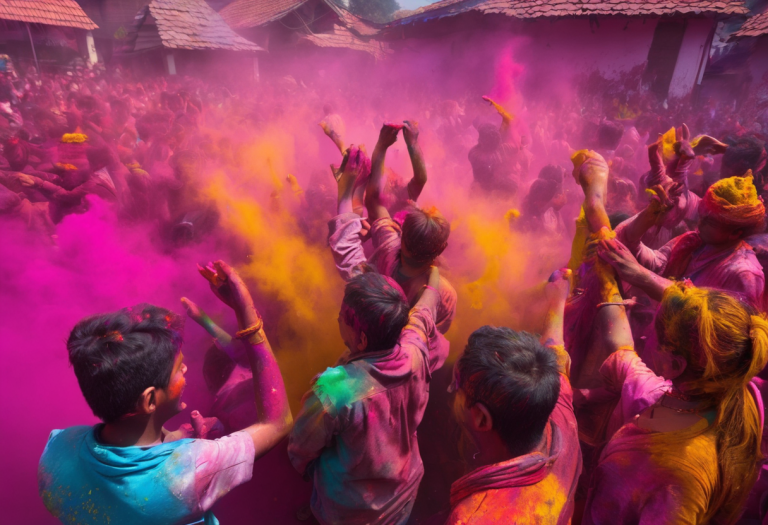
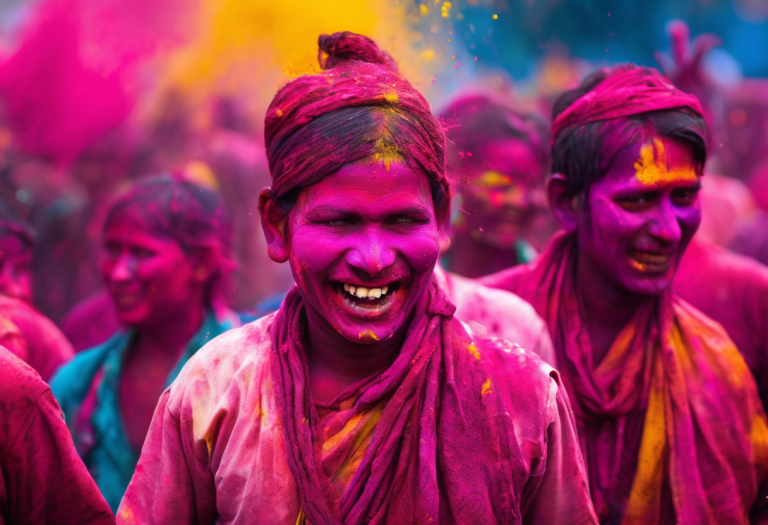
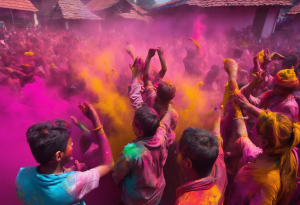
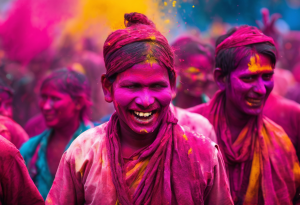
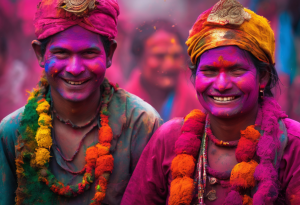
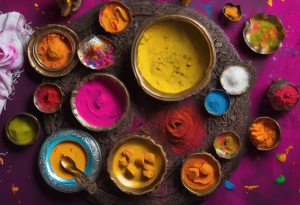
In Nepal, Holi is a two-day festival filled with colorful traditions and customs. On the first day, people gather in large open spaces or streets to play with colors and water, often accompanied by music and dance. This is a time for forgiveness and letting go of past grudges, as people smear each other with colored powder and water, symbolizing the breaking down of social barriers and uniting in the spirit of love and harmony. The second day, also known as “Puranmashi,” is dedicated to religious rituals and prayers, with offerings made to the bonfire as a symbol of purification and renewal.
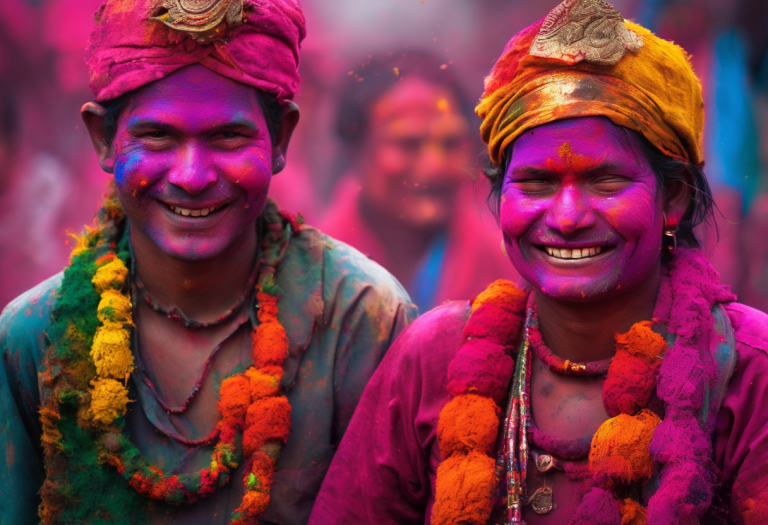
Through the years, Holi has become an integral part of Nepal’s culture and heritage, representing the country’s diversity and unity. It is a time for families and friends to come together, enjoy traditional delicacies, and spread happiness and love. The festival has also gained global recognition, with many international travelers visiting Nepal during this time to experience its unique and vibrant celebrations. So if you ever find yourself in Nepal during Holi, be prepared to immerse yourself in a sea of colors and join in the joyous celebration of this beautiful and meaningful festival.